image-rendering
same effect as Chrome: 2 of 2 examples match Chrome
css-images-3
The declaration changes our page the way it changes Chrome’s. What still differs between the two renderings was there before the declaration too, on the same page without it (mostly the fonts): no larger with it, or in the same places and no stronger.
What the specification says
| Initial value | auto |
|---|---|
| Applies to | all elements |
| Inherited | yes |
| Percentages | n/a |
| Computed value | specified keyword |
| Syntax | auto | smooth | high-quality | pixelated | crisp-edges |
The measurements
2 examples, both match Chrome. Each is one declaration on a small page, drawn by Chrome and by our engine. Drag on a picture to move the line between them.
image-rendering:pixelated, image-rendering:crisp-edges
same effect as Chrome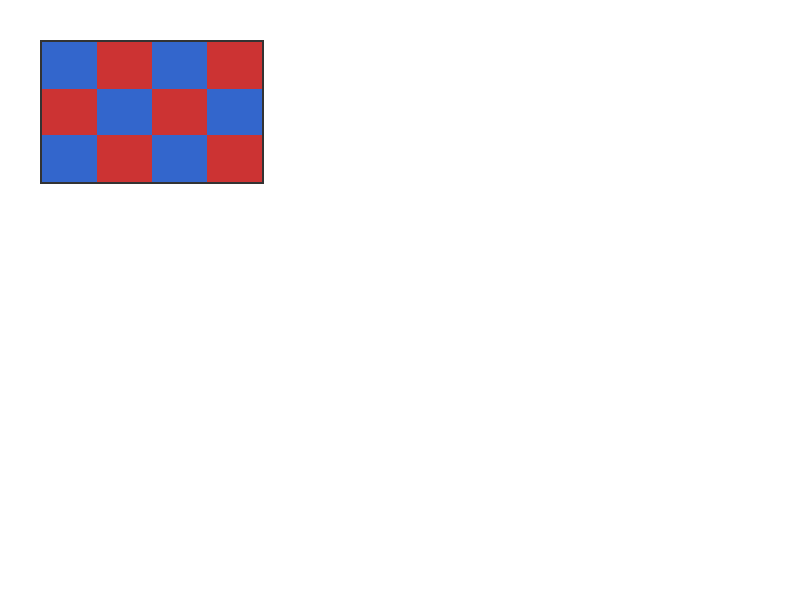
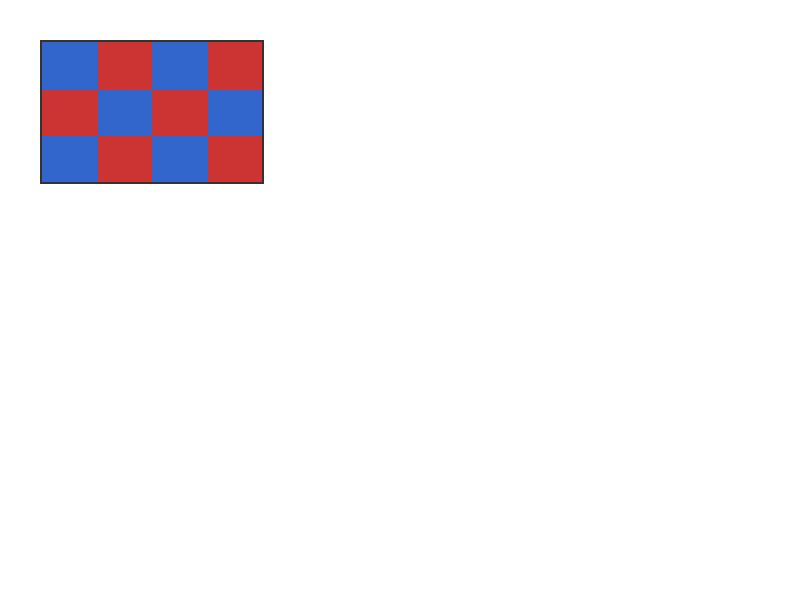
| Pixels that differ from Chrome | 0 |
|---|---|
| The same, on the page without the declaration | 3,734 |
| Largest difference on one colour channel | 0 of 255 |
| The same, on the page without the declaration | 87 of 255 |
Identical to Chrome.
Which values were measured
A match on one example means a match at the value tried. The property’s grammar has 5 branches, and 2 of them carry a measurement.
| Value | Measured |
|---|---|
smooth | not measured |
high-quality | not measured |
pixelated | same effect as Chrome |
crisp-edges | same effect as Chrome |
auto | not measured |
Measured against Chrome 148.0.7778.96 on 5 November 2026, with up to 40 candidate values tried per property. How it was measured